


Introduction
At $999 AUD, AirPods Max 2 are not everyday carry headphones. But after spending time with them, they’ve found a very clear place in my life: at home.
They’re comfortable enough to wear for hours, the noise cancelling is excellent, and if you already live inside Apple’s ecosystem, they’re almost effortless to use. For long listening sessions, late-night Apple TV watching or blocking out everyday background noise around the apartment, they’ve quickly become some of the headphones I reach for most.
Essentials
- Price: $999 AUD
- Connection: Bluetooth, USB-C charging
- Chip: Apple H2
- Battery: Up to 20 hours
- Noise control: Active Noise Cancellation + Transparency
- Design: Over-ear aluminium with mesh headband
- Colours: Multiple finishes including Midnight
Living With Them
I actually bought AirPods Max 2 for comfort.
Since moving to a home setup instead of working in an office every day, I wanted something I could wear for long periods without constantly noticing them. That’s exactly how these have ended up being used.
I can leave them on for hours without really thinking about it, which isn’t something I get from in-ear headphones over longer sessions. Being over-ear also means my ears get a break compared to wearing earbuds all day.
They’ve become especially useful at night.
My partner usually goes to sleep a few hours before me, and in a small apartment you become very aware of how much noise you’re making. Instead of turning everything down or worrying about it, I just put these on and keep watching.
That’s also where the noise cancelling really earns its place.
I keep the balcony open most of the time, so there’s usually some level of city noise in the background. With AirPods Max on, a lot of that just disappears - traffic, the dishwasher, washing machine noise, the usual background hum of apartment living.
You’re not completely cut off from the world, but it softens everything enough that you stop noticing it.
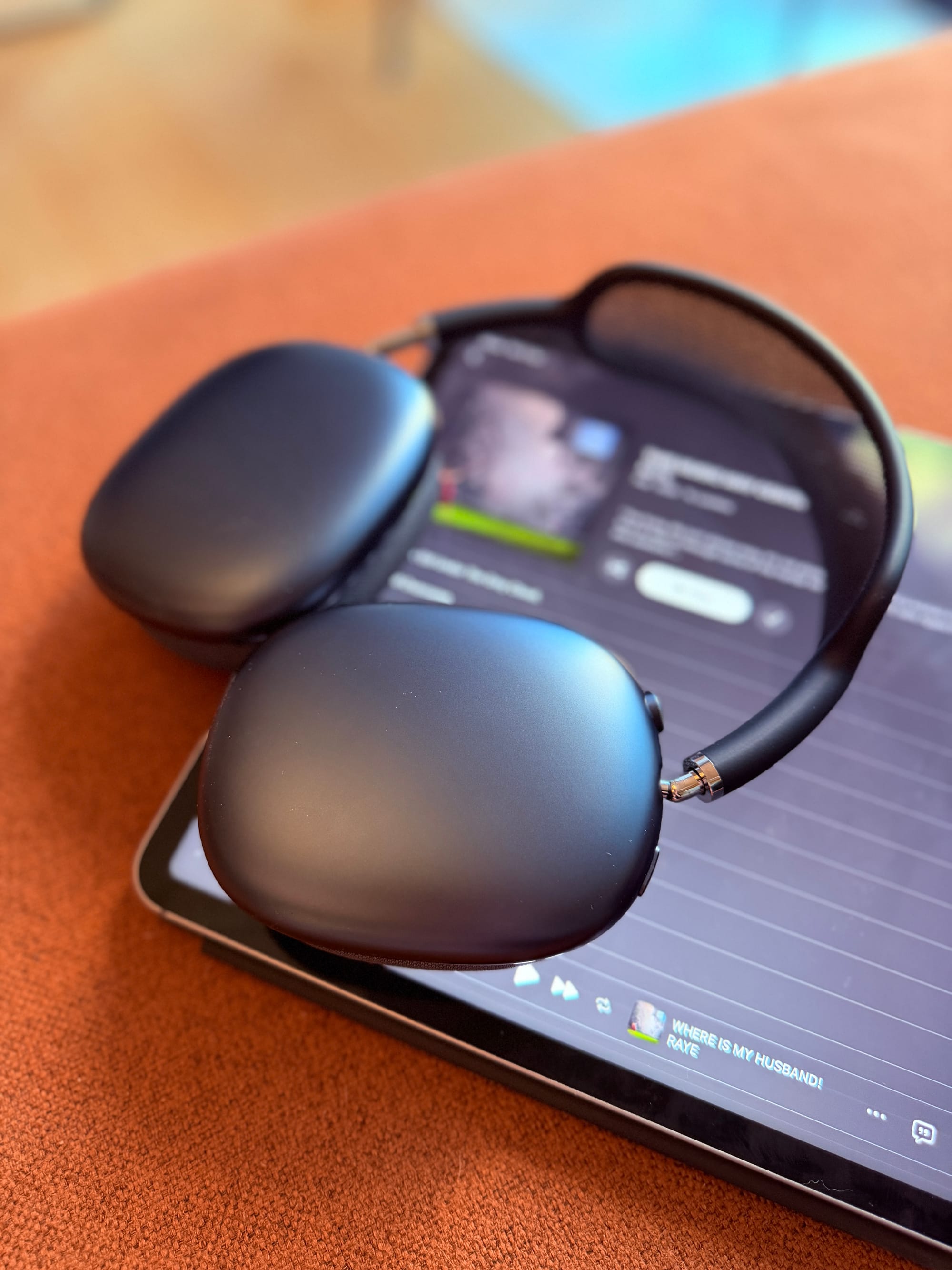
There’s also a physical button that lets you quickly switch between active noise cancelling and transparency mode, which is one of those small things you end up using constantly.
The other part that’s hard to give up once you get used to it is Apple’s ecosystem integration.
I’ll be working on my laptop, move to the sofa and start watching something on the Apple TV or iPad, and the headphones just switch across automatically. No pairing menus, no reconnecting, no fuss. If a phone call comes in on my iPhone, they’ll jump over there too.
It’s one of those Apple features that sounds minor until you live with it for a while.
Worth Knowing
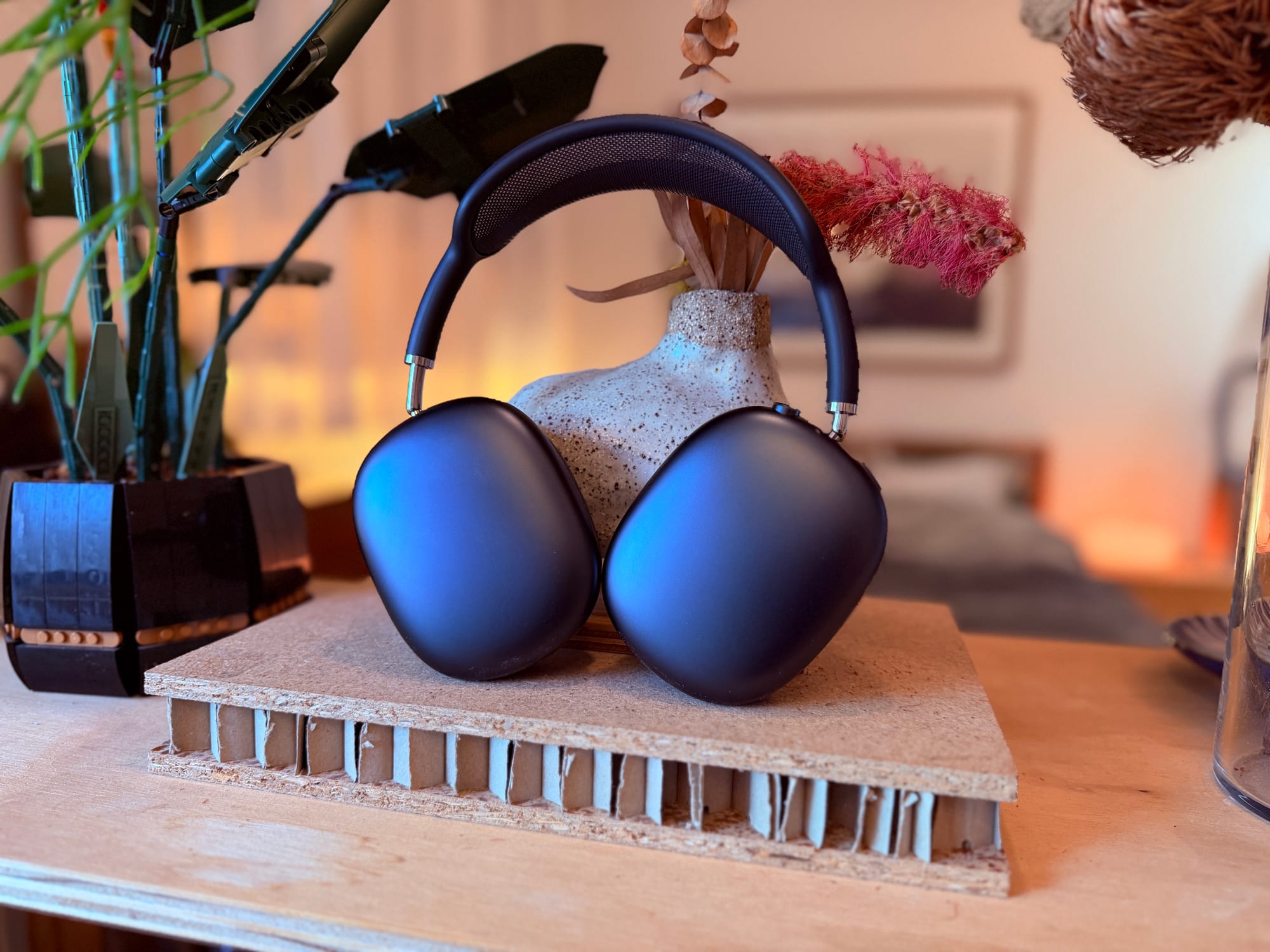
Design-wise, AirPods Max 2 look almost identical to the original AirPods Max.
This version adds USB-C and moves to Apple’s H2 chip, which brings a few worthwhile upgrades behind the scenes:
- Stronger active noise cancellation
- Improved transparency mode
- Better voice isolation for calls
- Conversation Awareness
- Faster and smoother device switching
Apple says the active noise cancelling is up to 1.5x more effective than before, and in day-to-day use it does feel noticeably stronger than in-ear options like AirPods Pro, simply because the over-ear design blocks more noise physically as well.
That said, portability still feels like the weak point.
At this price, AirPods Max feel a little too precious to casually throw into a bag, especially because Apple’s Smart Case still doesn’t offer much real protection. It does trigger an ultra-low power mode with built-in magnets, but I’d still want a proper hard case if I was travelling with them regularly.
Pricing
AirPods Max 2 are available in Australia for $999 AUD.
AppleCare+ is available for an additional $99 AUD, which includes two years of extended support and accidental damage protection (with a $45 AUD service fee per claim).
Tech That Fits Verdict
AirPods Max 2 are expensive, but they’re also some of the most comfortable headphones I’ve used.
The noise cancelling is excellent, they’re incredibly easy to live with inside Apple’s ecosystem, and for home use they’ve quickly earned their place.
If you mostly want headphones for long listening sessions, working from home or late-night watching without disturbing anyone else, they’re easy to love.
If portability matters, or you want something you can casually throw into a backpack without thinking about it, these are harder to justify.