

Bambu Lab has announced the A2L, a new large-format addition to its popular A-Series lineup of 3D printers.
Rather than replacing the A1, the A2L sits alongside it, bringing a significantly larger build volume, upgraded hardware and a new modular ecosystem that includes optional cutting and plotting tools.
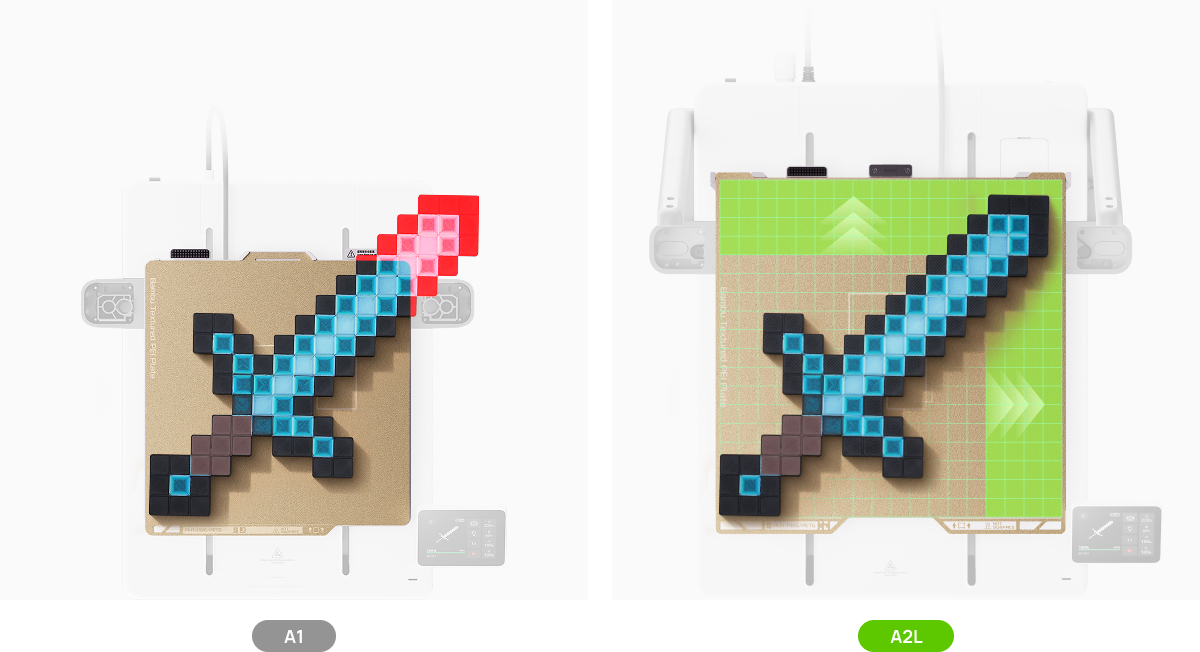
The headline feature is its 330 × 320 × 325 mm build volume, which gives makers considerably more room for larger household items, cosplay props, organisers and other projects that would normally need to be split into multiple parts before assembly.
Essentials
- 330 × 320 × 325 mm build volume
- 105% more printable space than the A1
- Upgraded extrusion system with active monitoring to help prevent print failures (PMSM closed-loop servo extruder)
- Adaptive vibration compensation for larger prints
- Full automatic calibration
- AMS Lite support for multi-colour and multi-material printing
- Optional blade cutting and pen plotting tools
- Noise levels below 49dB in Silent Mode
- Starts at $649 AUD
While the A2L shares much of the simplicity that made the A1 popular, Bambu Lab says it isn't simply a larger version of the existing printer.
The new model introduces a PMSM closed-loop servo extruder, which actively monitors filament flow to improve reliability and help detect potential printing issues before they cause a failed print. It also adds adaptive vibration compensation and integrated resonance dampers designed to improve print quality on larger and taller prints.
Additional upgrades include a new physical nozzle clump detection system, full automatic calibration and support for optional expansion modules.
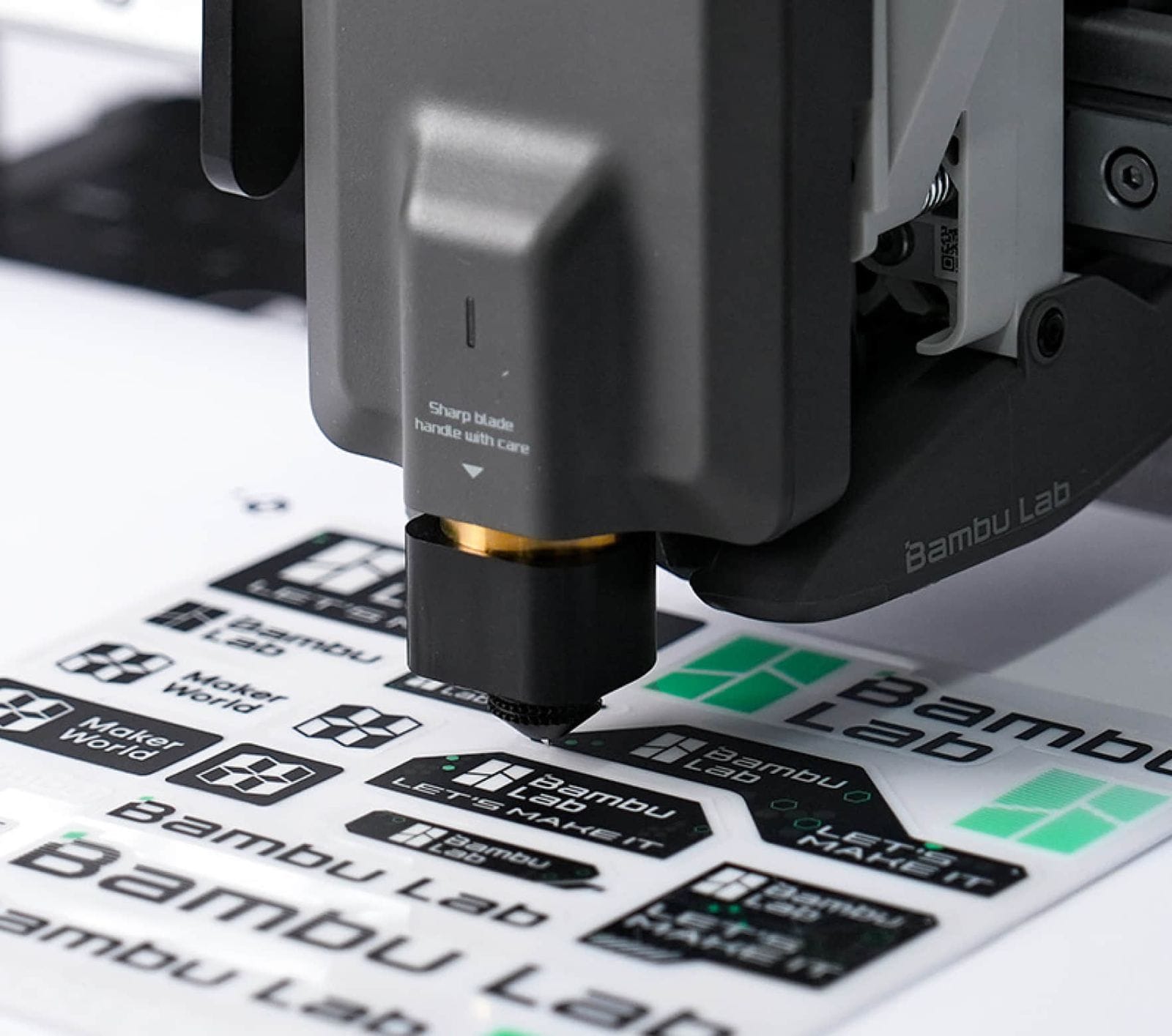
One of the first of those modules is the Blade Cutting Upgrade Kit, which allows the A2L to function as both a cutting machine and drawing plotter.
Optional Module - Blade Cutting Kit - $119 AUD
Includes:
- Blade cutting module
- Pen plotting module
- Dedicated cutting mat
- Accessories required for cutting and plotting
The upgrade allows the A2L to cut materials such as stickers, paper, fabric and leather, while also functioning as a drawing plotter. Bambu Lab has also confirmed plans for a future "Print-then-Cut" workflow through a software update.
The company says the A2L will not support laser modules due to safety concerns associated with its open-frame design.
Pricing And Availability
The A2L is available in two versions:
A2L - $649 AUD
Includes:
- A2L printer
- Tool box
- Build plate
- Spool holder
A2L Combo - $849 AUD
Includes everything in the standard A2L package, plus:
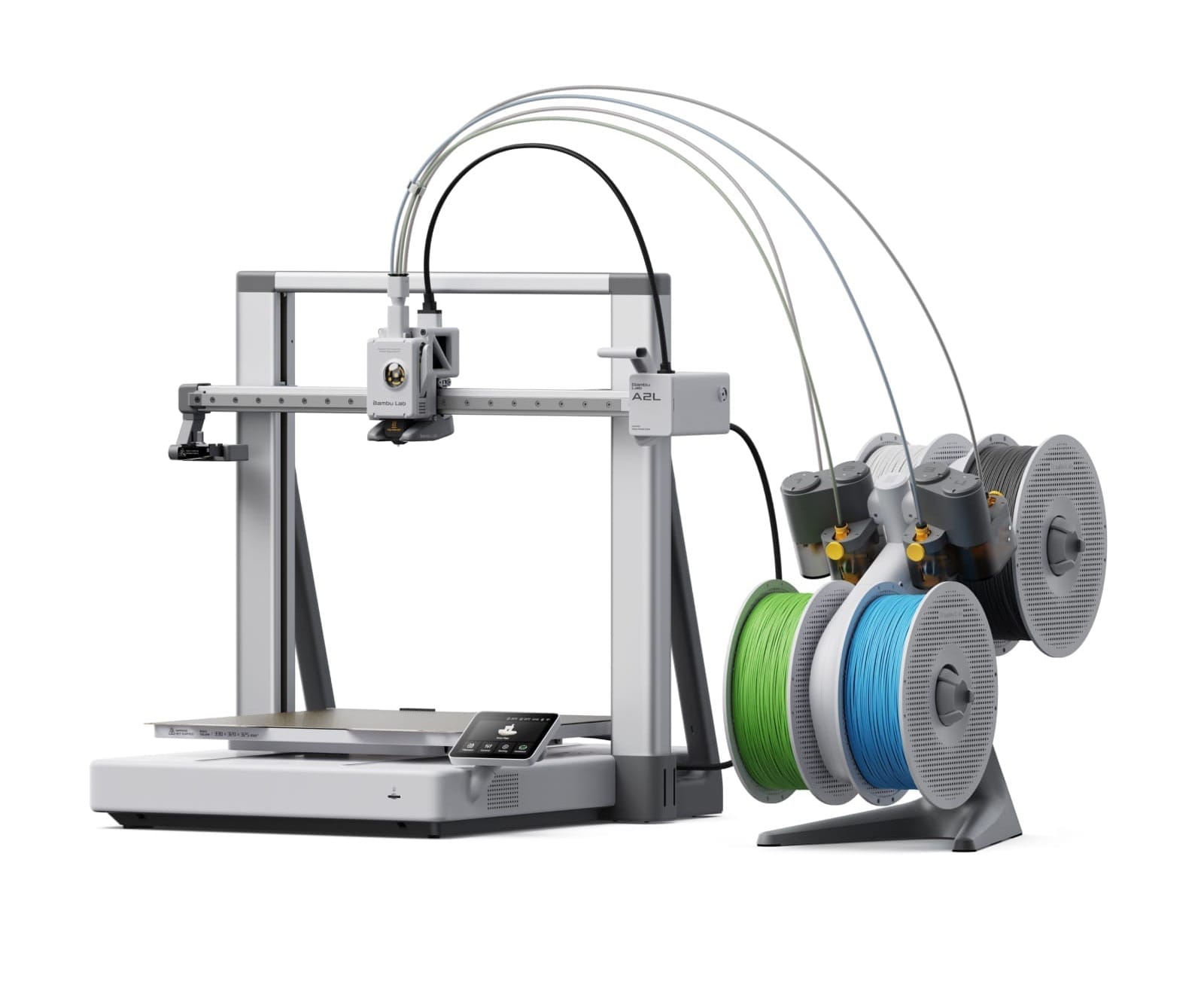
- AMS Lite multi-material system
The AMS Lite supports multi-colour and multi-material printing. It can also hold duplicate spools of the same filament, allowing the printer to automatically switch to a fresh roll when one runs out. That's especially useful on larger prints where a single spool may not be enough to finish the job.
Tech That Fits Take
The A1 quickly became one of the easiest 3D printers to recommend thanks to its combination of print quality, reliability and ease of use. The A2L appears to follow the same formula while addressing one of the biggest limitations of the A1: build size.
The optional Cutting Upgrade Kit is arguably the more interesting long-term story. Unlike the A1, the A2L has been designed to support modular tools beyond 3D printing. While it won't replace a dedicated Cricut for everyone, it does bring sticker cutting, plotting and craft-focused workflows into the Bambu ecosystem, potentially reducing the need for a second machine on the workbench.